
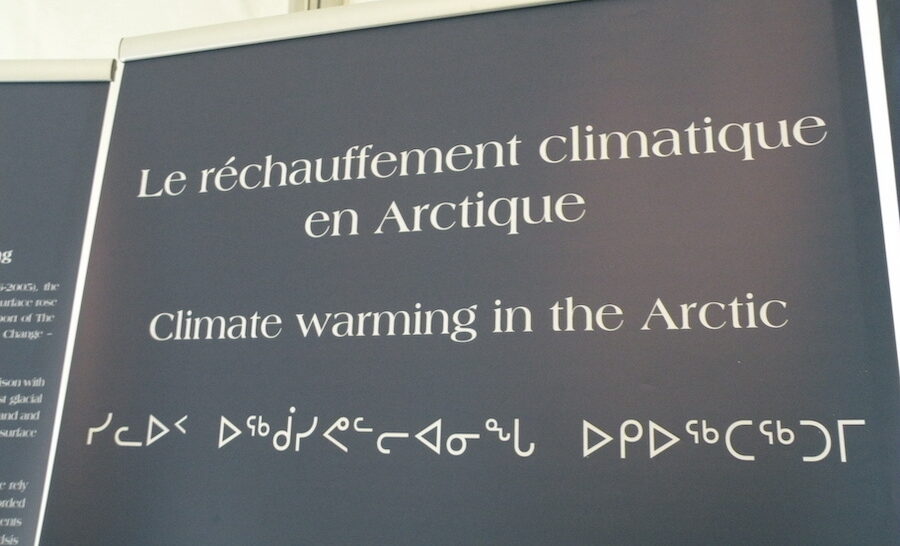
Recently, AZ World was requested by a long-term client to assist with translating some internal documents into the two official First Nation languages of Nunavut, Inuktitut and Inuinnaqtun.
As I discovered, while researching whether and how we could assist our client, translating documents into any of the Indigenous languages is far from straightforward. Here’s why.
1. Polysynthetic Structure
- Like Inuktitut and Inuinnaqtun, many Indigenous languages (e.g., Salish, Navajo, Mohawk, Cree) are polysynthetic, meaning they form long, complex words that encapsulate entire ideas.
- This makes word-for-word translation nearly impossible, requiring deep linguistic and cultural understanding.
2. Oral Tradition
- Many Indigenous languages are primarily oral, with limited written records or standardized grammar.
- Translating oral stories or teachings into written form risks losing tone, rhythm, and cultural nuance.
3. Limited Resources
- Across the board, Indigenous languages suffer from a lack of trained translators, dictionaries, and digital tools.
- This is especially true for low-resource languages like Inuinnaqtun, which has fewer than 1,500 speakers.
4. Cultural Sensitivity
- Concepts in Indigenous languages often reflect spiritual beliefs, kinship systems, and ecological relationships that don’t map neatly onto English or French.
- Translators must navigate sacred or restricted meanings with care and respect.
Unique Challenges in Nunavut
1. Syllabics vs. Roman Alphabet
- Inuktitut uses syllabics, while Inuinnaqtun uses the Roman alphabet. This duality complicates document formatting and digital accessibility.
2. Dialectal Continuum
- Inuktut (the umbrella term for Inuit languages) is a dialect continuum stretching from Alaska to Greenland. Even within Nunavut, dialects vary significantly.
3. Government and Legal Translation Needs
- Nunavut has four official languages: Inuktitut, Inuinnaqtun, English and French.
- Translating government documents into Inuktitut, Inuinnaqtun is a legal requirement, adding pressure to meet high standards with limited resources.
Moving Forward
Efforts like neural machine translation research, community-led language revitalization, and government support (e.g., the Indigenous Languages Act) are helping bridge these gaps. But success depends on collaboration with Indigenous communities, investment in training, and respect for linguistic diversity.
If you need to bridge the language divide and want to learn more about how our translation services can support you, contact us today at info@a-zworld.ca or visit www.a-zworld.ca. The AZ World team will be happy to assist you.